IFS

  • How It Works

    How It Works According to IFS, the undamaged core Self is the essence of who you are. A person’s parts can be healed, transformed, and better managed by the Self by achieving three goals of IFS: Free the parts from their extreme roles Restore trust in the Self Coordinate and harmonize the Self and the…
  • The self

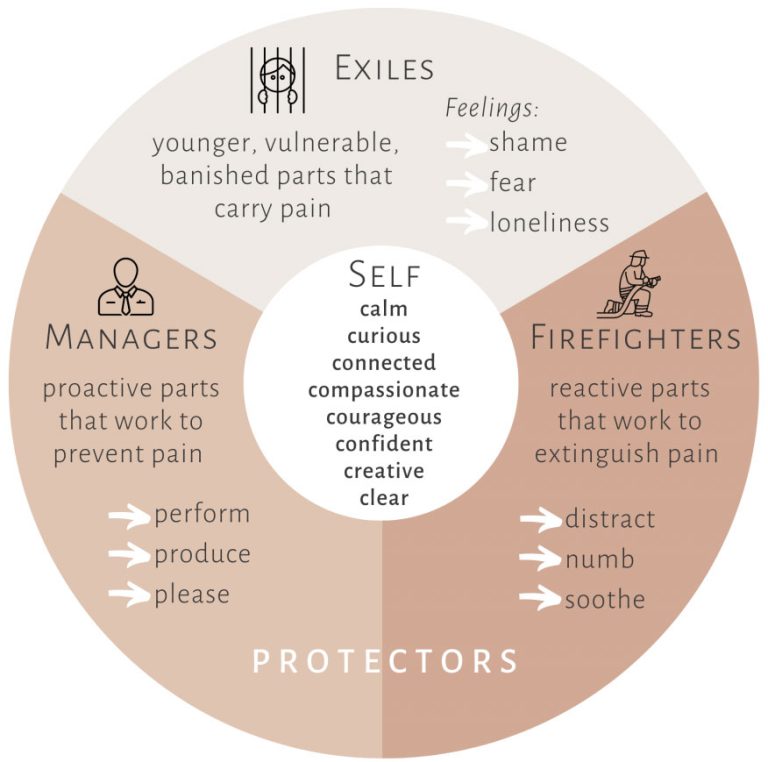
    The self The Self has many positive traits, according to Schwartz’s model, including the eight Cs and the five Ps. The presence of these traits can help identify how much of the Self is available at a given time and how much of the Self may still need to emerge. The eight Cs are: Confidence…

  • What to expect

    What to Expect IFS is talk therapy in which you work with a therapist to identify and understand the specific sub-personalities or families that make up your internal mental system. Once you identify these parts, the therapist will help you acknowledge your feelings about these suppressed emotions, learn how to release these feelings so you…

  • When is it used

    When It’s Used IFS therapy can treat individuals, couples, and families. It can effectively treat a variety of conditions and symptoms. These include Depression, Anxiety, Panic, Phobias, Trauma, and Substance use. Physical health conditions such as rheumatoid arthritis. General functioning and well-being IFS may not be appropriate for patients with severe mental illnesses that involve…

  • IFS Therapy

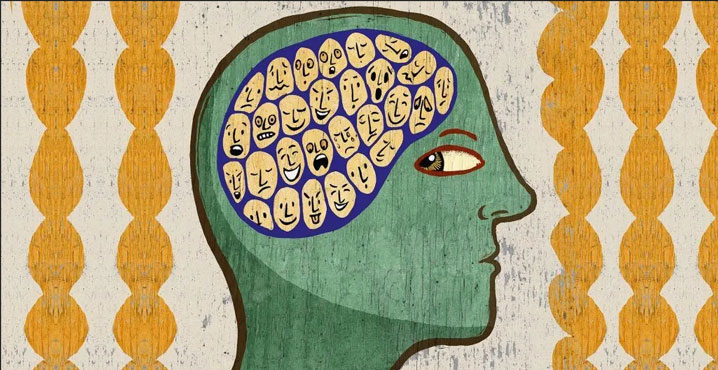
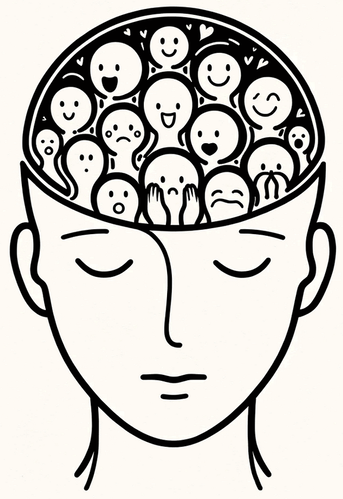
    Internal Family Systems (IFS) IFS is an approach to psychotherapy that identifies and addresses multiple sub-personalities or families within each person’s mental system. These sub-personalities consist of wounded parts and painful emotions such as anger and shame, and parts that try to control and protect the person from the pain of the wounded parts. The…